
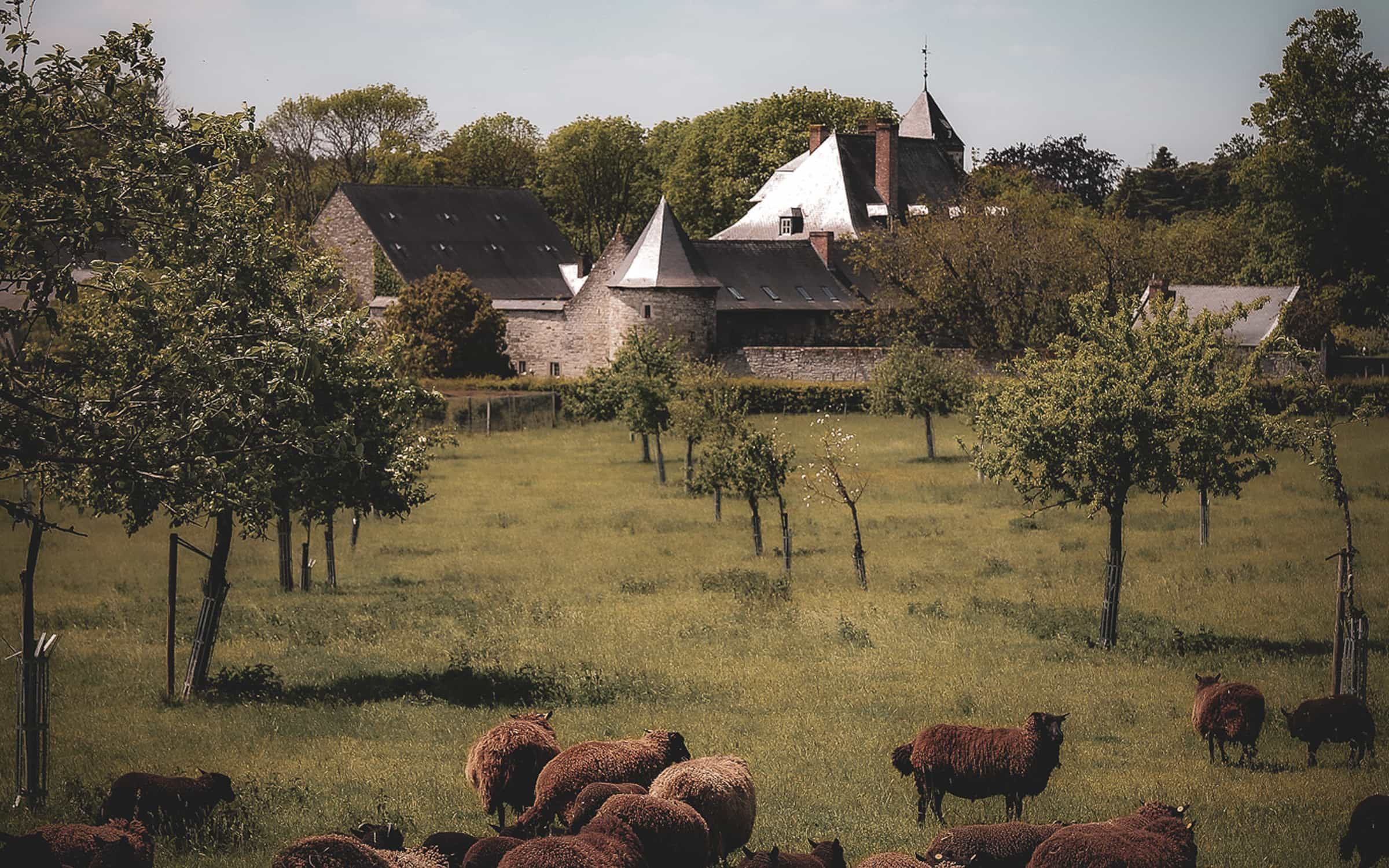
In the heart of the Namur region, Domaine La Falize has more 270 hectares of woods and arable land. In organic farming for over 20 years, our agricultural practices and our philosophy aim to produce excellent produce and to distribute them in a short circuit while respecting nature.
1
the TERROIR
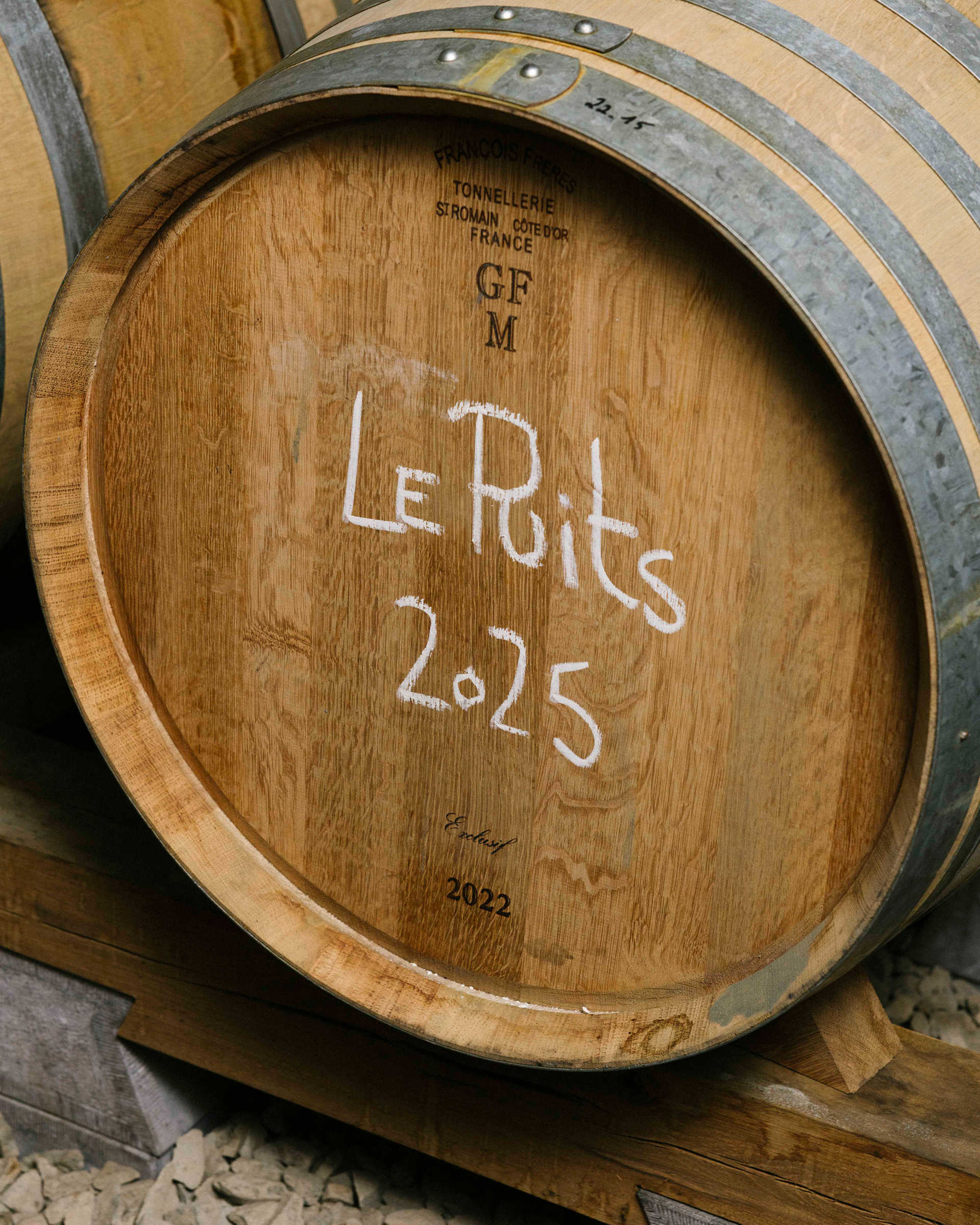
A natural estate dedicated to excellence and the preservation of biodiversity.
2
The ESTATE
a.
The origin
In 2010, Frédéric de Mévius and his family sought to create fine wines, on the slopes of Sambre and Meuse, near Namur. On the advice of the Master of Wine Fiona Morrison, he met the oenologist and winemaker Peter Colemont. Peter agreed to contribute to the project with his credibility and energy.
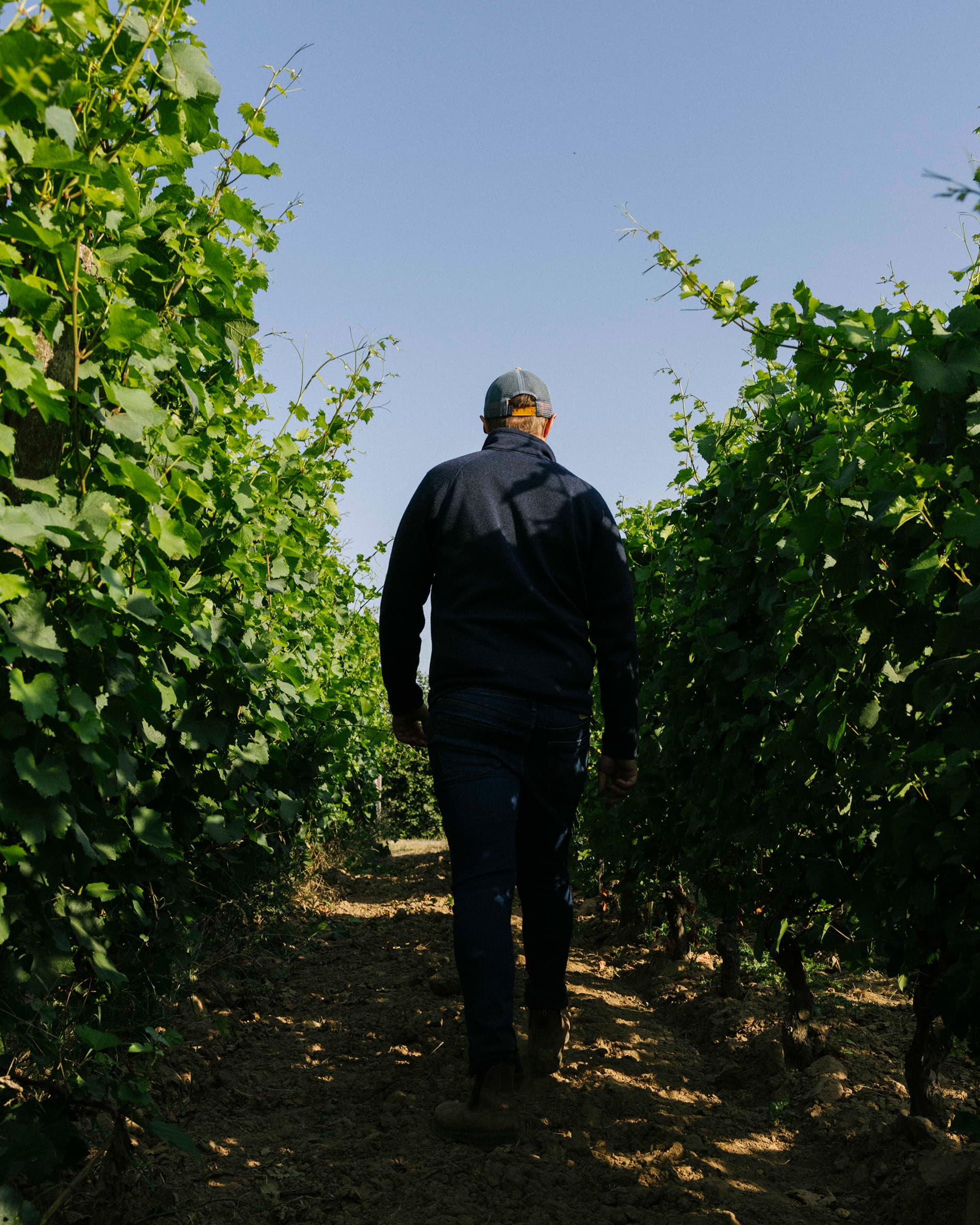
For the viticulture, conducted organically and biodynamically, they turned to Sylvain Pellegrinelli, who then worked at Domaine de l'Arlot before joining Domaine Leflaive and then becoming head of viticulture at Domaine de la Romanée-Conti, who embarked on the adventure. A first hectare was planted in 2012, a second in 2015...
b.
The vineyard
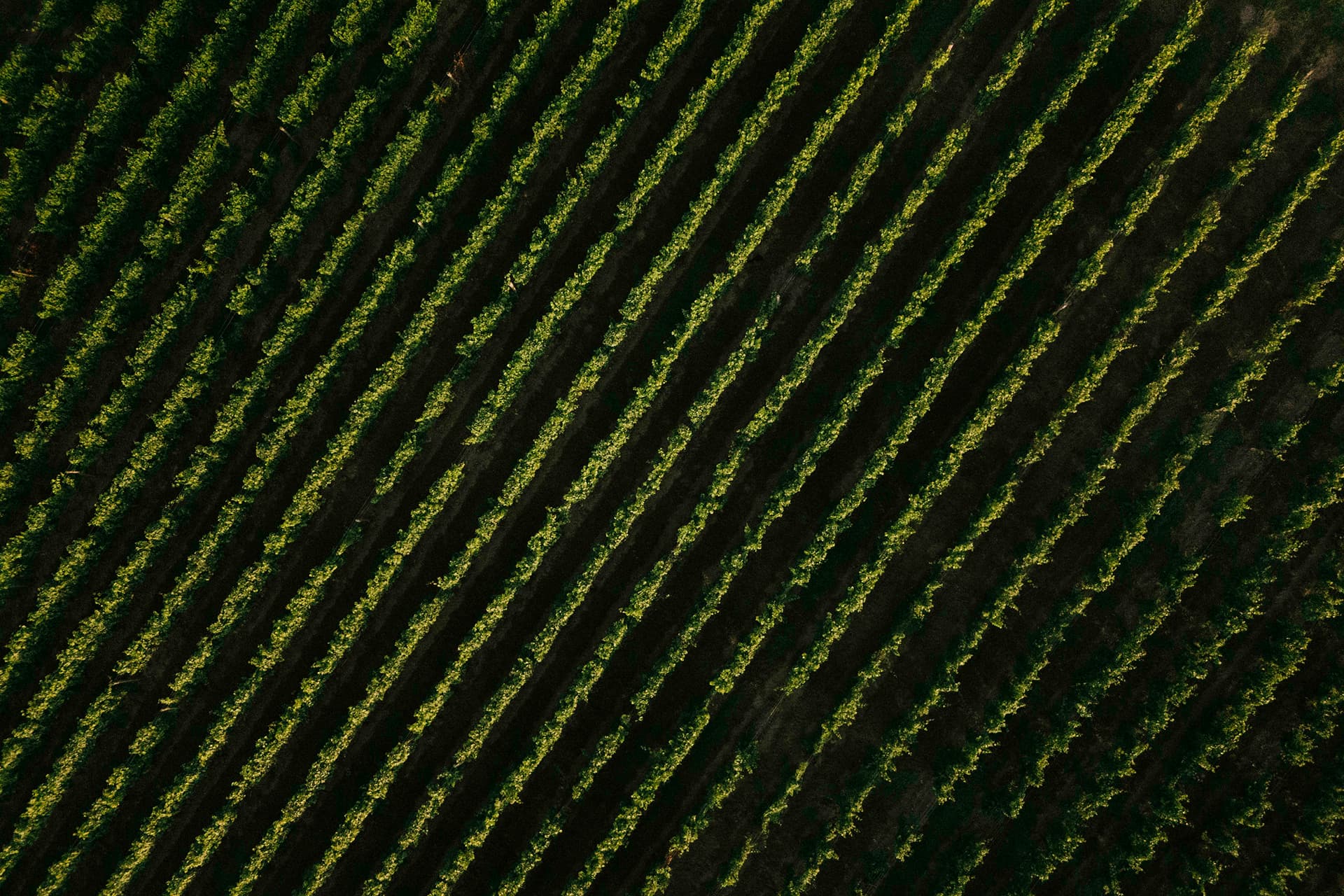
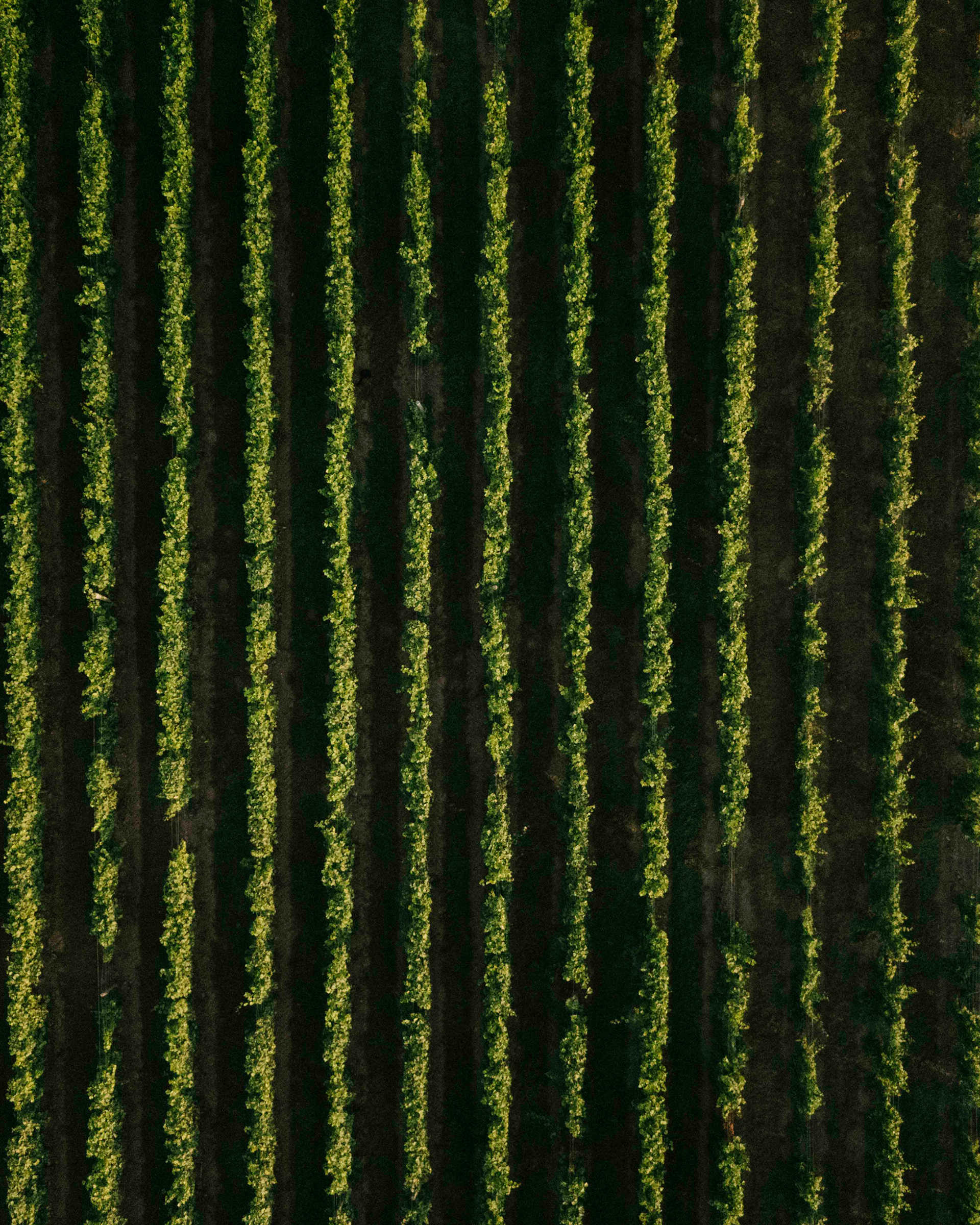
Domaine La Falize, inspired by the cliff where it is located, a rocky escarpment that dominates the Houyoux River, now includes five small plots that extend over 5.5 hectares. They are spread over south-facing hillsides among the 270 hectares composed of forests and agricultural land. The selected plots thrive in clay-silty soils with their bedrock composed mostly of schist along with red marls. These soils are perfectly suited for Chardonnay and, something unique in Belgium, Savagnin.
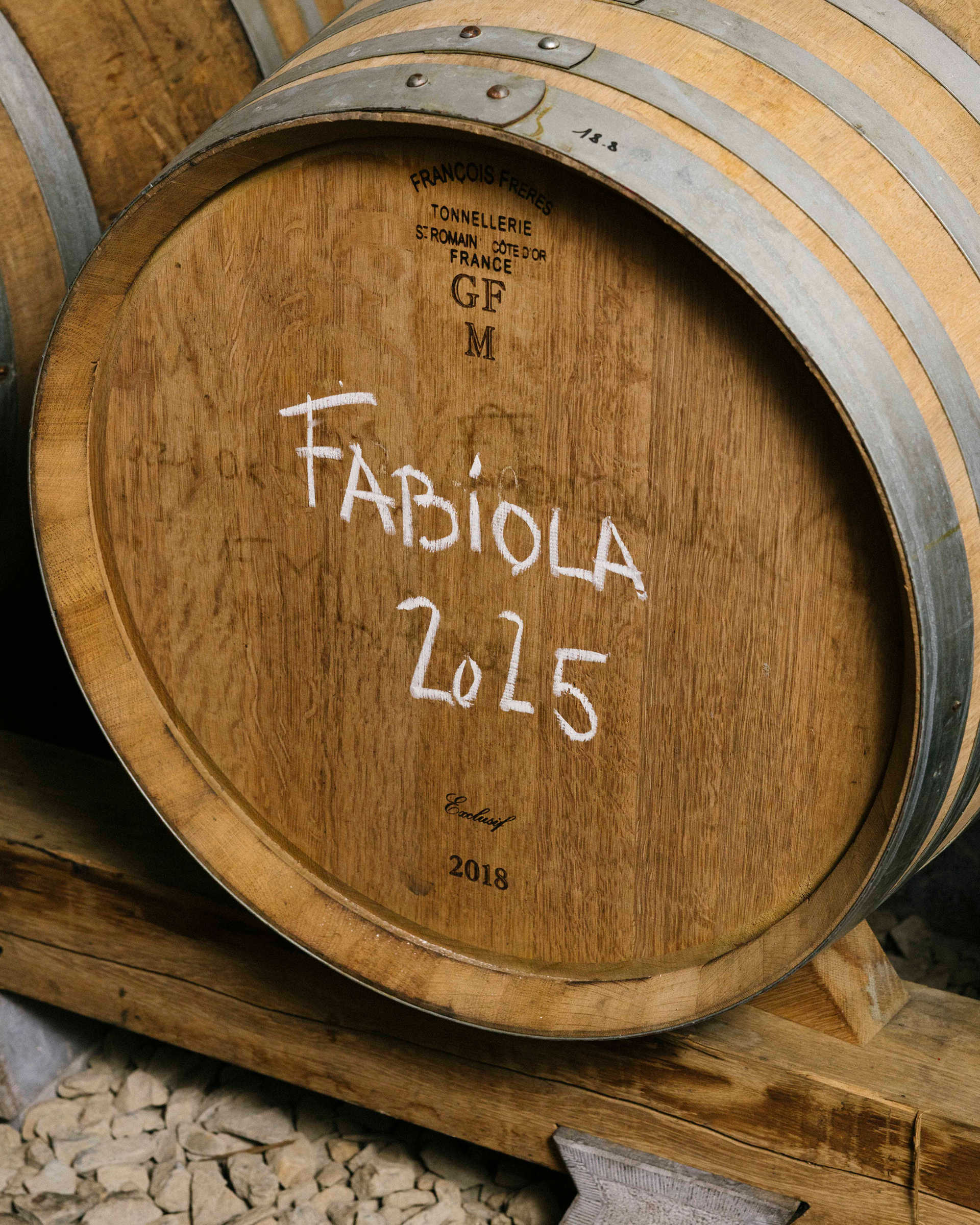
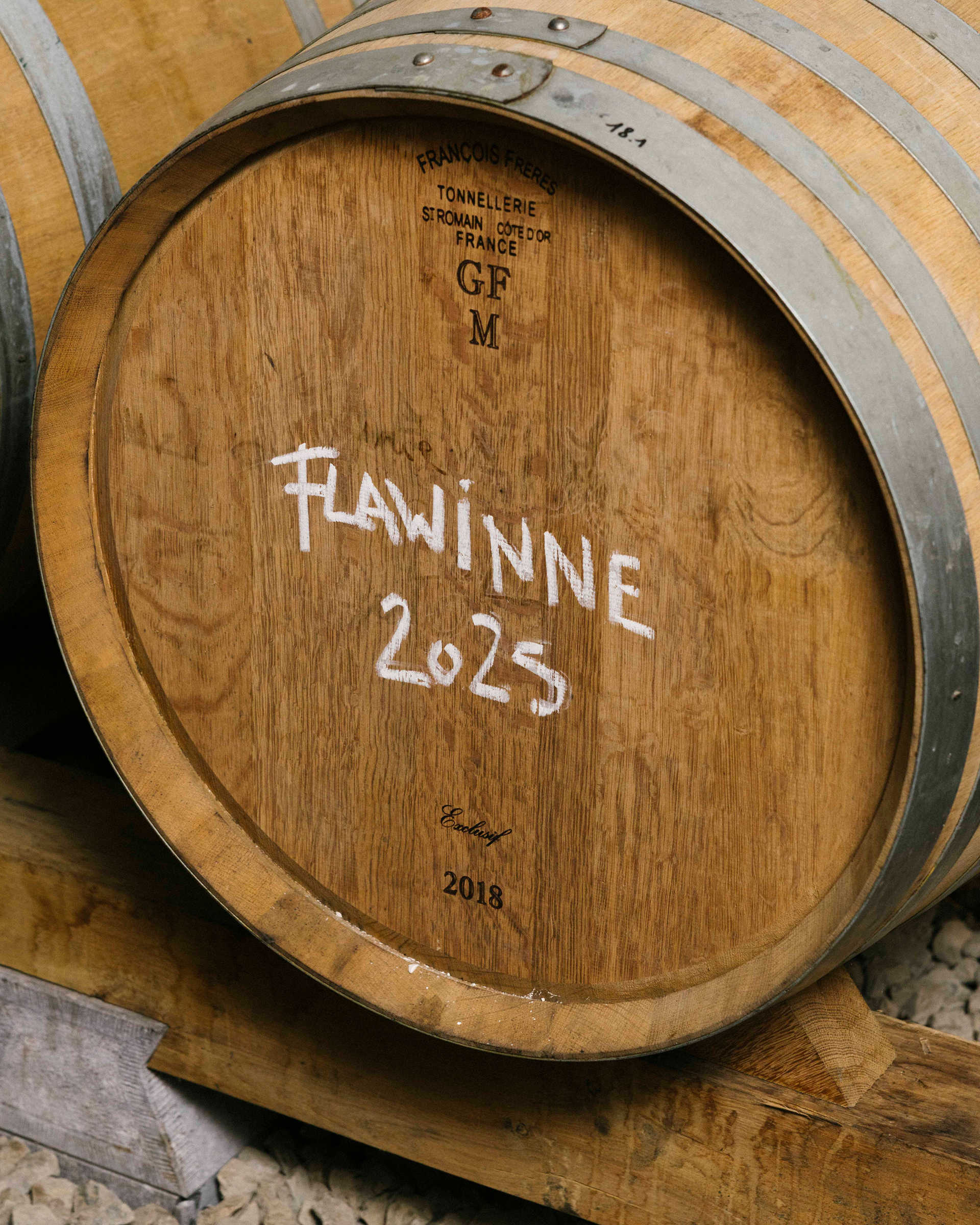
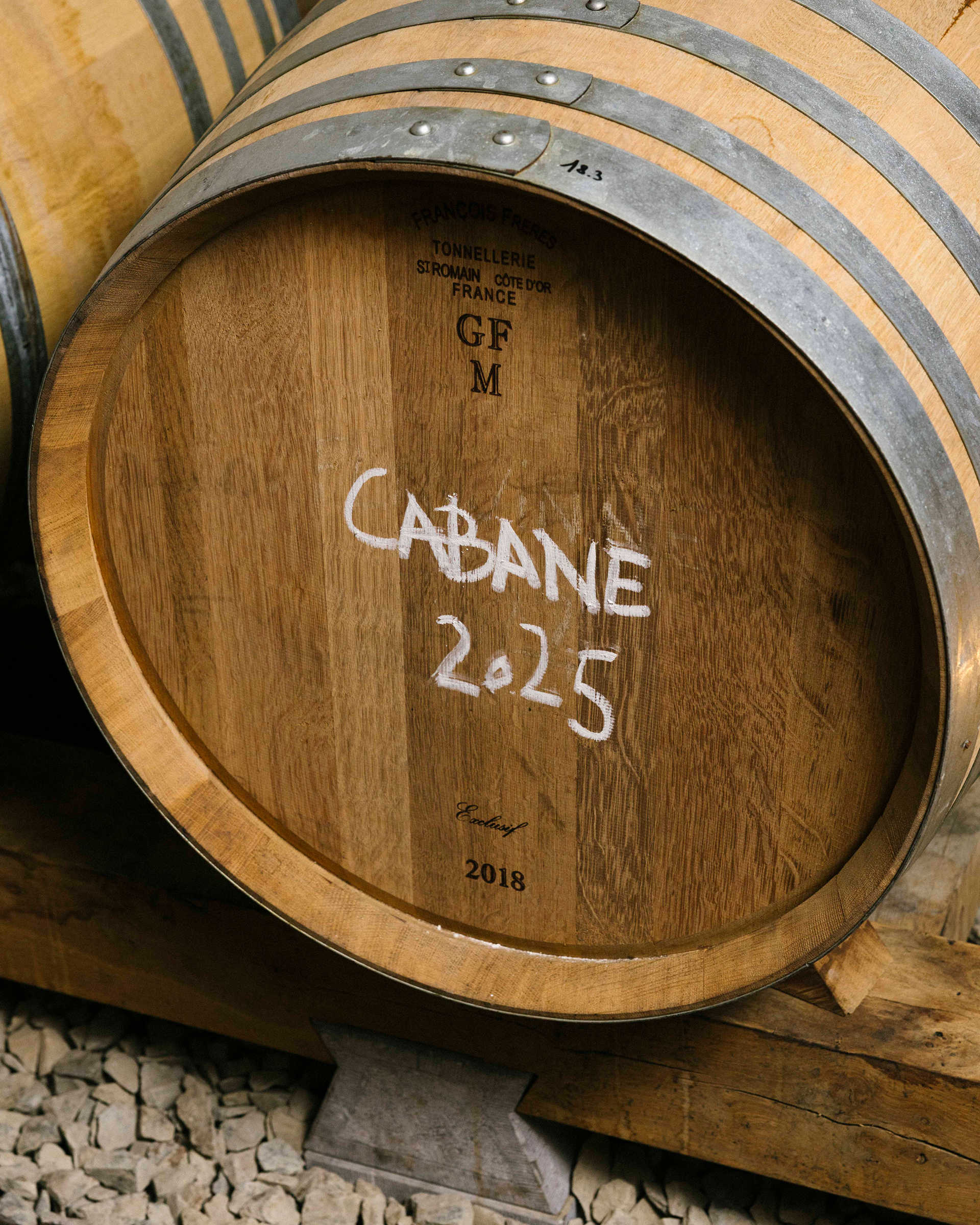
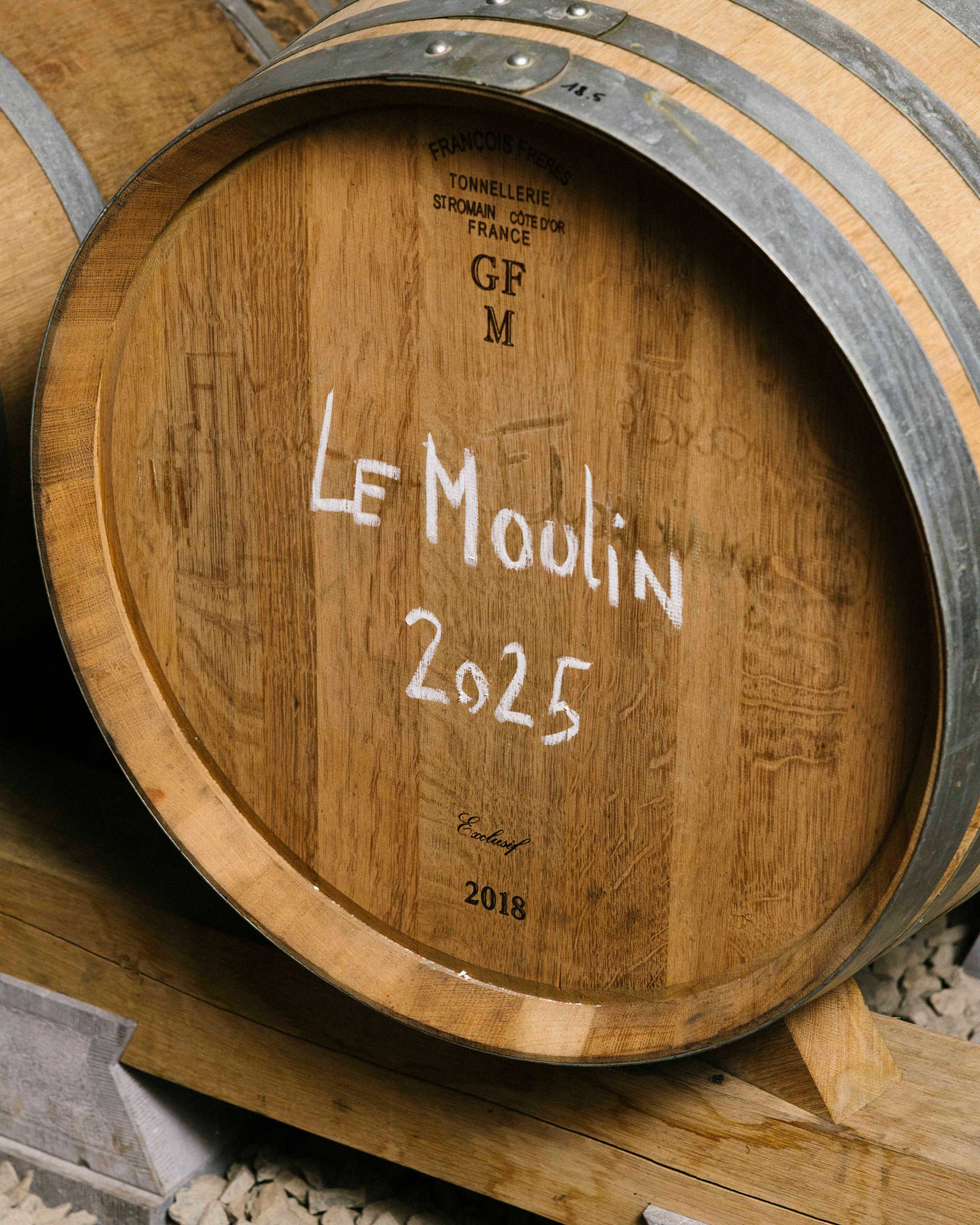
In this mosaic of terroirs, each plot plays its part. The Flawinne hillside brings warmth, maturity and exuberance. The Fabiola and Moulin vineyard provides tension and minerality. The Puits plot is pleasant, easy to work with and accessible. The last to express itself, La Cabane is a synthesis of the others, with finesse and elegance, which gives it extra soul.
c.
Minimalist winemaking
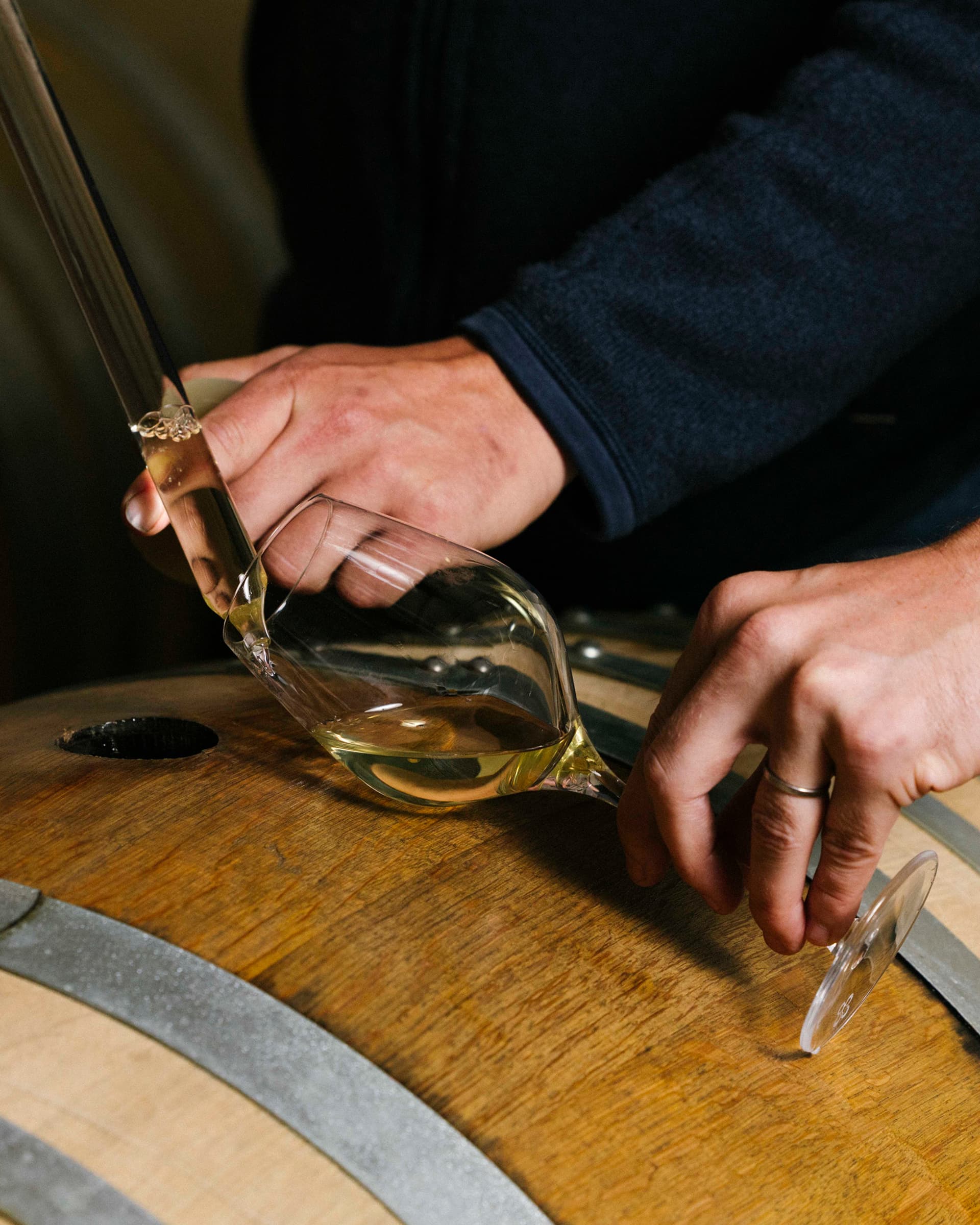
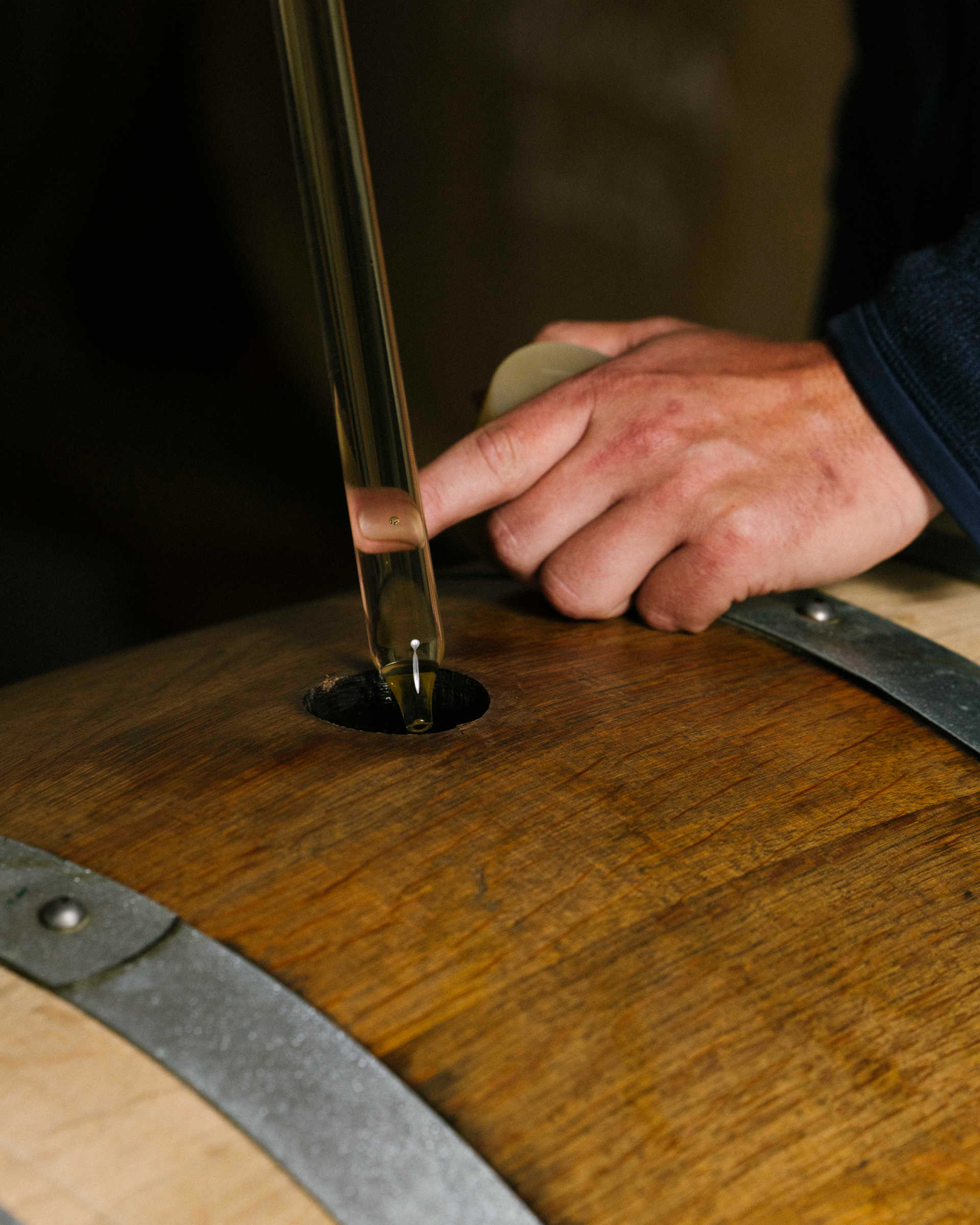
If the grapes are good, making wine is simple. Our vinification is deliberately non-interventionist and the wines take their time, two years before being bottled. Our winemaking follows a strict itinerary.
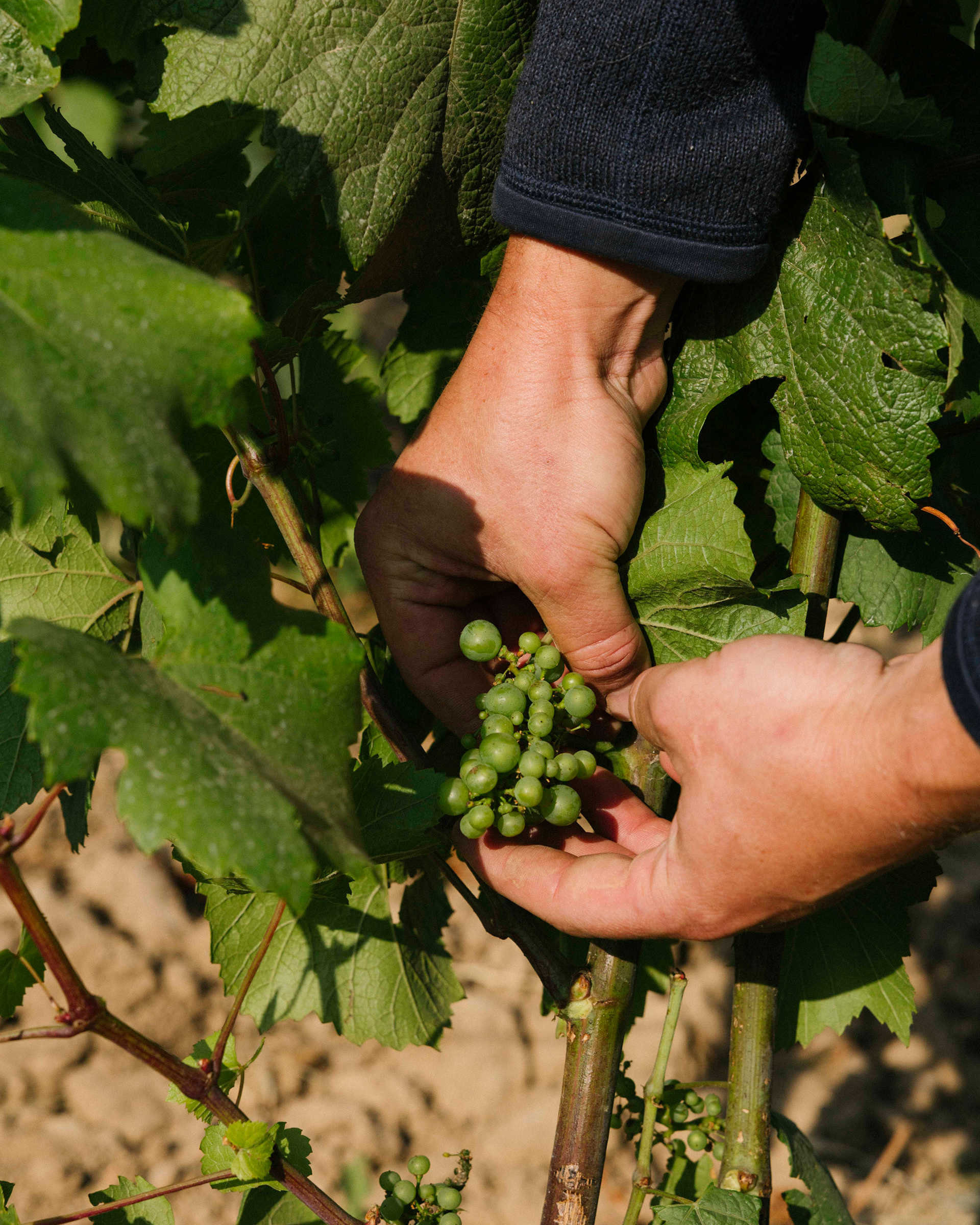
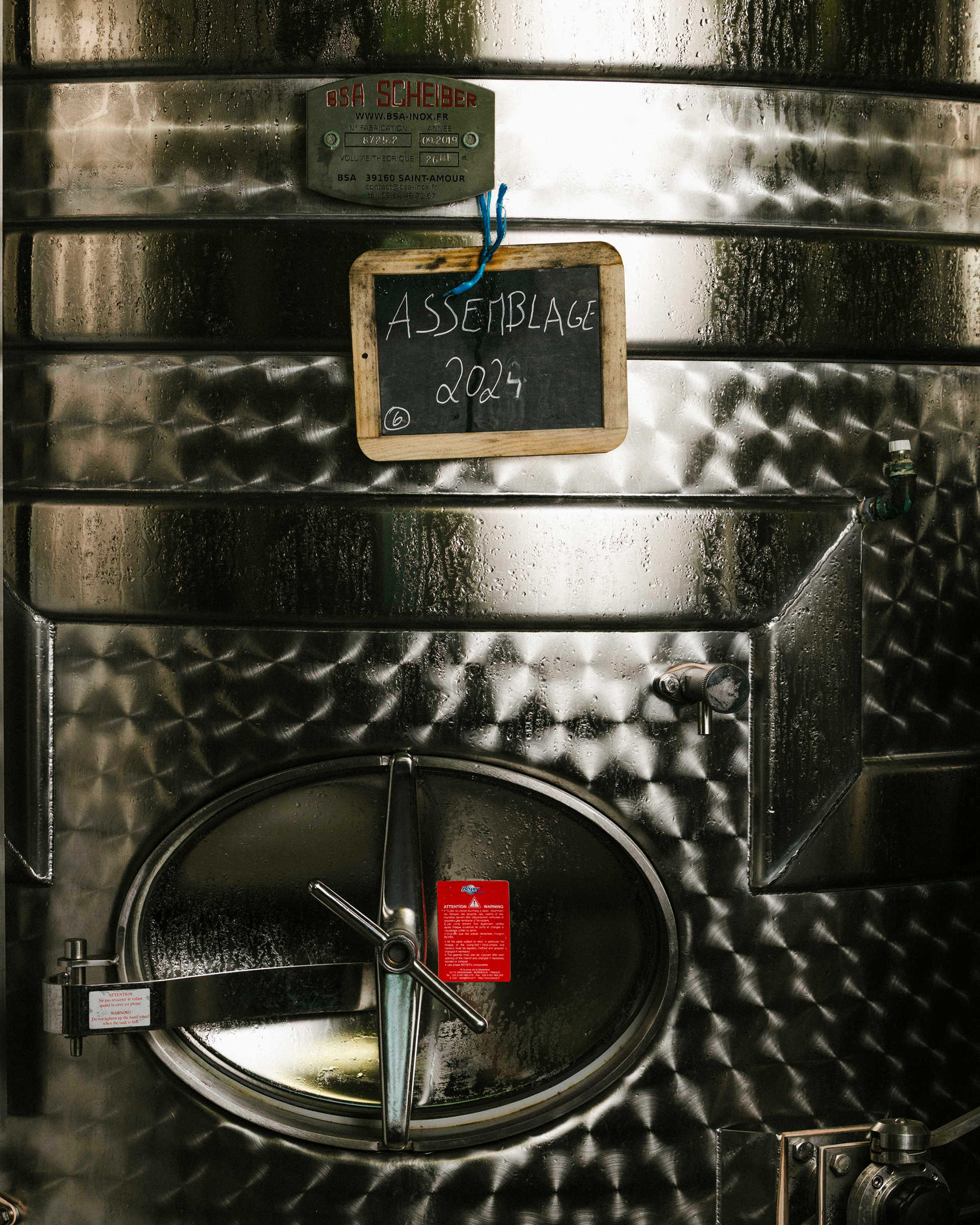
We harvest and sort each bunch by hand. The juice is pressed by whole bunch and the vinification is conducted separetely on a parcel basis. Aging in oak barrels lasts 12 months, without batonage, filtering or fining, with a minimum dose of sulphur. Ageing continues on lees for an additional 8 months in tanks, before bottling.
Cultivate taste, celebrate time to respect nature.
3
The craft
a.
Cultivating Excellence
Our conviction that quality always takes precedence over quantity and our energy is entirely dedicated to the vineyard. We started in 2012 with a single hectare and 14 years later the estate counts a total area of 5.5 ha. We do not wish to expand further because our main objective remains to improve the quality of our wines, vintage after vintage.
Know-how compounds slowly and our aim is to craft wines which express the identity of our terroirs and our climate. Our wines embody the very essence of our land and its natural cycles, while respecting the principles of biodiversity and sustainability.
b.
Celebrating time
La Falize recently celebrated its 400th anniversary and its name is derived from the rocky escarpment around the estate's building. The appreciation of time is part of our DNA and agriculture is a constant throughout our history. In 2012, when our first vines were planted, La Falize was one of the few pioneer estates that decided to reintroduce vines in Belgium.
This is part of the natural continuity of our history but is characterized by a desire to disrupt the status quo, in the belief that our Nordic region, shaken up by climate trends, will be able to enhance Chardonnay, Savagnin and Pinot Noir. Each of our bottles is the result of a 2-year journey. We go deeper into each step, from the ground to the bottle. We couldn't imagine it any other way.
c.
Respect nature
Since the introduction of the vine, the Estate has devoted itself to regenerative practices in the management of the entire Estate. To demonstrate our positive impact, we carry out an annual audit to determine if the estate captures and stores more CO2 than it emits. Over the past three years, our regenerative practices have sequestered between 35 and 123 tons of CO2 per year.
In addition to this, we have reintroduced 12 km of hedges, 4 km of agroforestry strips and more than 10% of our arable land is dedicated to biodiversity programs aimed at supporting wildlife, insects, flowers and the natural balance of our ecosystem.
La Falize celebrates terroir and excellence. Our naturally vinified wines embody the essence of La Falize's natural cycles, while respecting the principles of sustainability and biodiversity.
Oraio - La Falize 1, 5080 Rhisnes (Belgium)
info@lafalize.com
BE0729.759.803